Beginner's Guide to Growing Lettuce Through Island Heat: Shade, Sowing, and Succession
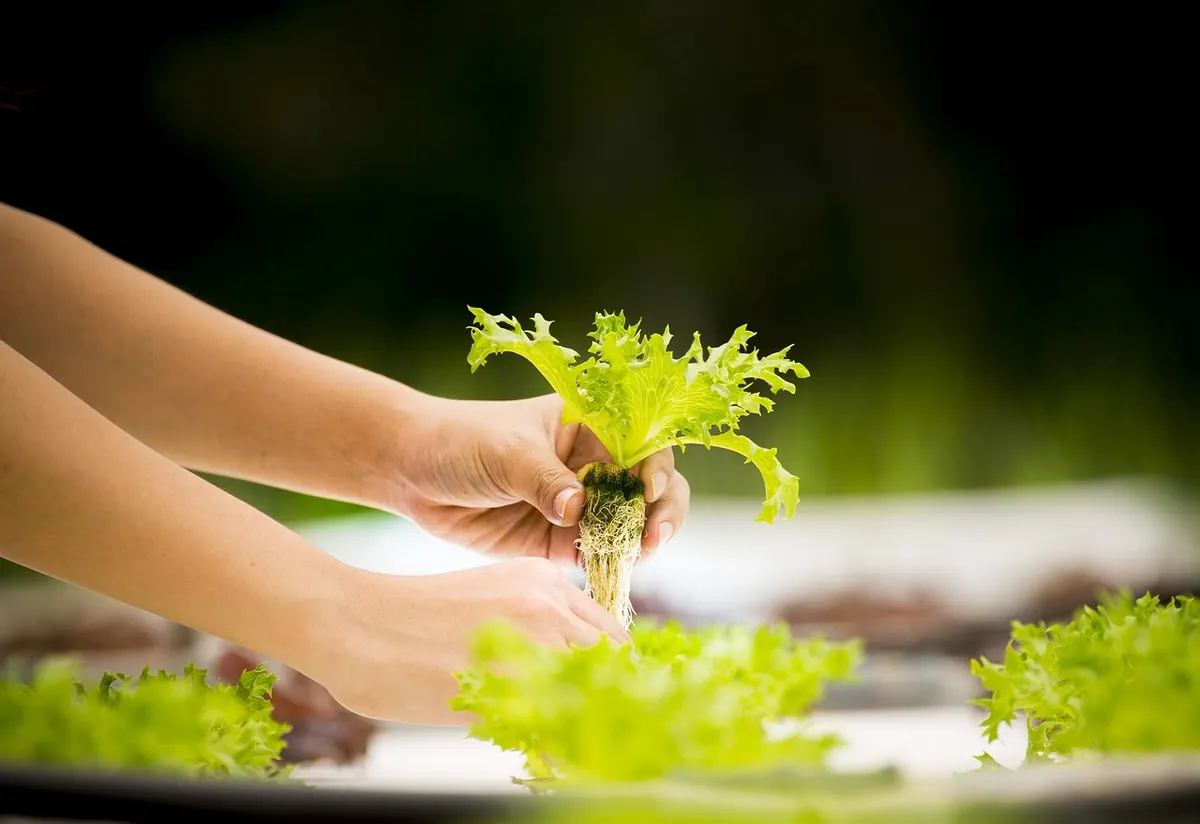
Lettuce is a cool-season crop that has somehow become a fixture of island gardens, where the sun has other ideas. The first sowings of the year come up sweet and brittle and make you feel like a competent grower. Then June arrives, the plants throw up a flower stalk overnight, the leaves turn bitter, and the bed looks like a failed experiment. It isn't failure. It's the plant responding to heat and long days in the only way it knows. Work with that response instead of against it, and lettuce stays on the table through most of the year.
What heat actually does to a lettuce plant
Two things happen at once. First, the plant bolts: the stem stretches, a flower head forms, and the leaves stop producing the sugars that make them taste good. Bitterness rises as the plant matures and its sap thickens, a natural defense against being eaten before it can set seed. Second, germination itself shuts down. Lettuce seed goes dormant in warm soil, so a packet sown into a sunny bed in July can sit there for weeks and then come up in a sudden flush when the weather cools.
Lettuce also has shallow roots, most of them in the top fifteen centimetres of soil. In a raised bed or a terracotta pot on a sunny terrace, that layer dries out fast. A plant that is stressed for water one day and flooded the next will bolt sooner than one that has been kept steadily damp.
Choose lettuce that shrugs off warmth
Variety choice does more work than most gardeners expect. Loose-leaf types, oakleafs, batavias and romaines handle heat far better than crispheads and butterheads, which are happier in autumn, winter and early spring on an island. Save the tender butterheads for the cool months; they are worth waiting for.
When you read a seed packet, two pieces of information matter most for summer sowing:
- Days to maturity. A lettuce ready in 45 days has a much better chance of reaching the kitchen before the heat arrives than one that needs 75.
- Bolt resistance. Slow-bolting batavias and romaines are bred for exactly this problem. Loose-leaf blends sold as cut-and-come-again mixes are also useful, because you harvest them young.
Grow two or three kinds rather than one. If a hot spell knocks out the butterheads, the oakleaf beside them may sail through.
Build shade, not a cave
Shade is the single most effective tool in an island summer. The aim is to knock the edge off the sun, not to bury the plants in darkness, because lettuce still needs light to grow and to firm up.
Afternoon shade matters far more than morning shade. The four hours after midday, when the sun is high and the air is hottest, is when damage happens. A bed on the east side of a wall, a row tucked behind the tomatoes, or a pot that gets sun until one o'clock and then sits in the shadow of the house will all perform better than an open, all-day position.
Where you have no natural shade, use cloth on hoops. Thirty to fifty percent shade cloth is usually enough; white cloth keeps the bed cooler than black and looks less like a bunker. Keep it at least a metre above the plants so air still moves through. Lettuce crowded under low cloth in still, humid air is a recipe for mildew and rot. Leave the sides open, and take the cloth off on overcast days so the plants get full light.
Container growers have an advantage here: move the pots. A tray of lettuce on castors that follows the shade around a terrace through the day is not a fussy idea, it is simply good management.
Sow in small waves, not one big splash
Succession sowing is the habit that keeps a kitchen supplied. Instead of sowing a whole packet in March and drowning in lettuce for three weeks, sow a small pinch every ten to fourteen days in warm weather, stretching to three or four weeks in the cool months. Each sowing supplies a short window of perfect heads, and when one batch bolts the next is already coming on.
Getting seed to germinate in hot weather takes a little cunning. Try this:
- Sow in the evening, into soil that has been watered and allowed to settle, so the seed starts in the coolest twelve hours of the day.
- Put the seed packet in the fridge for a day before sowing. Chilling breaks the heat dormancy and costs nothing.
- Sow no deeper than half a centimetre. Lettuce needs light to germinate well, and deep sowing in warm soil is a common cause of failure.
- Start in trays in the coolest corner you have, or in a plastic bag with damp kitchen paper in the fridge, then move the sprouted seed gently into modules.
- Keep the surface damp with a fine rose or a mister, never a hard jet, until the seedlings are up.
Thin seedlings to about twenty centimetres apart for heads, ten centimetres for leaf crops. Thinnings can be washed and eaten, which makes the job feel less wasteful. If you direct-sow, mark the row with a stick so you don't mistake the seedlings for weeds and hoe them off.
Water, mulch, salt wind
Steady moisture is the second half of the shade equation. Water in the morning so the leaves dry before evening, and water deeply rather than often, so the roots follow the moisture down. A drip line under a mulch of straw, grass clippings or dried leaves will hold the soil cool and cut your watering in half. Bare soil in an island July bakes hard and sheds water, so the mulch is doing two jobs.
On exposed coastal plots, wind is an underestimated problem. Salt-laden wind scorches leaf edges and dries plants faster than sun alone. A low hedge, a windbreak net, or a row of taller crops on the windward side makes a noticeable difference.
Harvest so the plant keeps working
For loose-leaf types, don't wait for a head. Take the outer leaves, leaving the crown and the young centre to grow on, and you will get several cuts from one plant. For heading types, cut the whole head cleanly a couple of centimetres above soil level; many will push a second, smaller set of leaves from the stump.
Watch for the warning sign: a central stem starting to stretch and thicken. Harvest that plant the same day, while the leaves are still sweet. Taste a leaf in the morning, when sugar levels are highest, if you want to judge whether a variety is worth repeating. Bolted lettuce is bitter but not harmful; the leaves still go into soup or a stir-fry, and if you let one plant flower, the bees will thank you and you may get seed for next year.
A workable plan for a hot island summer
Keep a notebook or a note on your phone with the sowing date, the variety and the result. After two seasons you will know which lettuce holds in your microclimate and which bolts at the first hot week, and that record is worth more than any general advice.
A simple starting rhythm: one small sowing every fortnight from early spring, move the bed into afternoon shade by late spring, switch to batavias and oakleafs for summer, and start sowing butterheads again as the nights lengthen in autumn. Water in the morning, mulch generously, and pick young. The island heat will still take its share, but there will be salad on the table while it does.
Photo: sippakorn / Pixabay