Seaweed Mulch from Shore to Bed: How to Collect, Rinse, and Apply It Safely
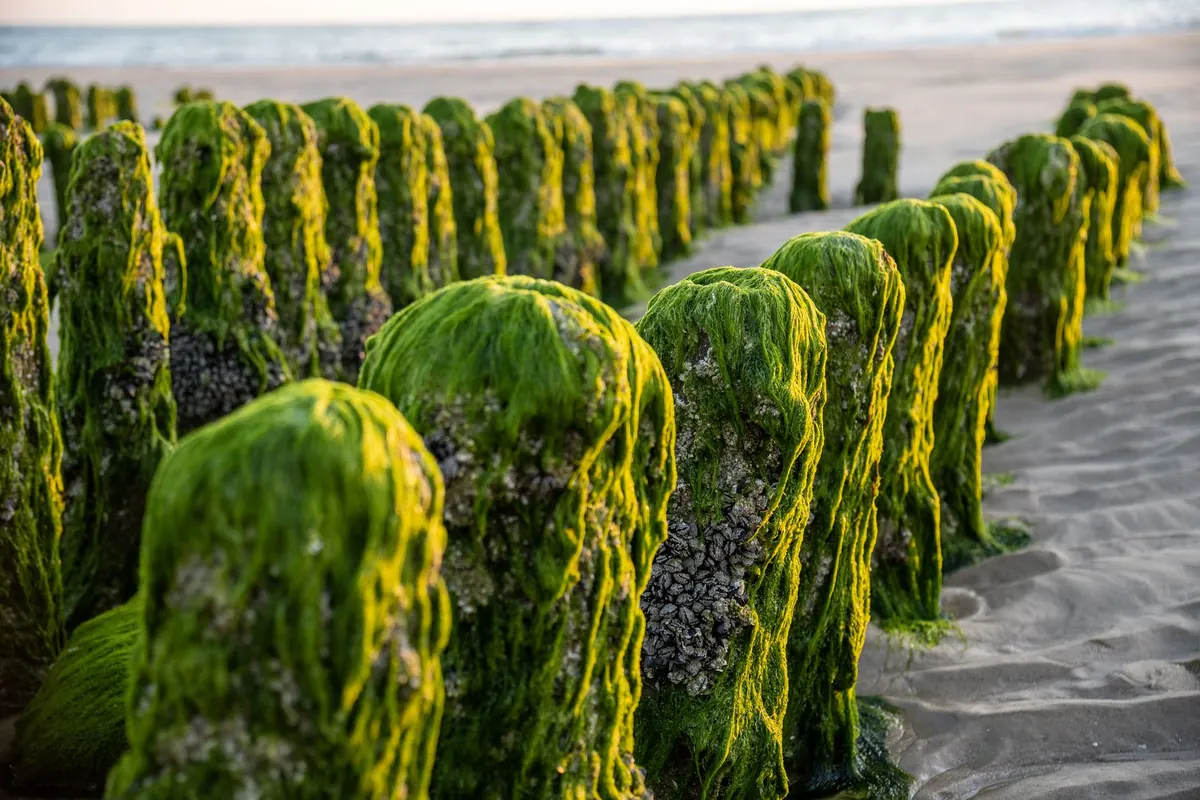
After a night of wind, the strand line tells you what the sea has decided to give away: torn wrack, knotted ribbons of kelp, dark weed still beaded with water. Most people step over it on the way to the water. Island gardeners should not, because a wheelbarrow of that weed is one of the cheapest mulches you will ever lay on a bed.
Seaweed comes with a catch, though, and the catch is salt. Applied carelessly it can scorch young plants, crust the soil surface and rot into a matted blanket that sheds water instead of holding it. Handled well — collected from the right spot, rinsed, and spread thin — it suppresses weeds, carries your tomatoes through a dry July and slowly feeds the soil life beneath them. What follows is the routine that works.
What seaweed actually gives you
Fresh seaweed is mostly water and fibre, with a modest amount of nitrogen and potassium and a wide spread of trace minerals that garden compost rarely supplies in quantity. Its real value in the vegetable patch is physical. A loose layer over bare soil cuts evaporation hard, keeps the surface from baking into a crust, and shades out weed seedlings before they get a foothold. As it breaks down, worms and soil bacteria pull it under and the texture of the bed improves.
Be clear about what it is not. Seaweed is not a balanced fertiliser and it will not replace compost or well-rotted manure. Hungry crops — cabbages, courgettes, tomatoes in containers — still need real feeding. Treat seaweed as a mulch with a slow, gentle bonus, not as the engine of your fertility.
Collecting: read the weather, not the map
The best gathering window is the day or two after a strong onshore wind, when fresh weed has been thrown up above the normal tide line and is still wet and springy. Anything already dry, bleached and crumbling has lost much of its structure; anything slick, dark and foul-smelling has been sitting too long and will bring flies and a sour smell into the garden.
Where you take it from matters as much as when:
- Work above the tide line. Never pull living weed off rocks or cut it below the water. Washed-up material is what you want.
- Leave most of it. The upper beach and dune edge depend on that wrack for stability, insects and shorebirds. Take a barrow-load from a long strand line, not the whole strand line.
- Skip harbours, boatyards and river mouths. Anti-fouling paint, fuel residue and runoff all collect there.
- Heed local warnings. If the authorities have flagged an algal bloom or closed a beach, stay off it.
- Check the rules. Many coastal areas protect seagrass banquettes — those dense banks of fibrous brown material on the sand — because they buffer erosion. In some places removing them is restricted, so ask at the local office before you shovel one into sacks.
Bring a fork rather than your hands, a tarp for the car boot, and enough sacks that you stop lifting before your back complains.
Rinsing out the salt
Salt is the one genuine hazard here. A heavy, unrinsed application raises the salinity of the top few centimetres of soil, which interferes with water uptake and can burn leaf edges. Seedlings and germinating seeds suffer first. So the rule is simple: if you can taste salt on a strand of the weed, it needs more washing.
There are three practical ways to deal with it, and the easiest requires no work at all.
- Let the rain do it. Spread the seaweed on a tarp or hardstanding in an open, rain-washed spot for a week or two, turning it once. Two decent showers will leach most of the surface salt away.
- Soak and drain. Fill a bucket or old bin with seaweed, cover with fresh water, leave overnight, then lift it out and drain. Repeat once. Tip the salty water onto paths or the drive, not onto beds.
- Compost it first. Layered into a heap with dry leaves, straw and garden trimmings, seaweed leaches steadily as the heap is watered, and the resulting compost is safe to use anywhere, including around seedlings.
Some crops tolerate a little salt far better than others. Brassicas, chard and beetroot generally cope; beans, young seedlings and anything germinating in the bed do not. If you are unsure about a piece of ground, use seaweed compost there rather than fresh weed.
Fresh, dried or composted
Fresh
Usable straight away, but only in a thin, fluffy layer. Wet wrack pressed down in a thick slab seals the soil, smells awful after a few days and stops rain getting through. Keep fresh layers to five or eight centimetres, teased apart by hand, and top them with straw or dry leaves so the surface stays open.
Dried
Easier to store and handle. Spread it, let it dry until brittle, bag it in old feed sacks and keep it under cover. Dried seaweed crumbles into a light, airy mulch that is far less likely to mat, and it is the version to use around small transplants.
Composted
The safest option of all. Mix one part seaweed to two or three parts dry brown material — shredded prunings, cardboard, dead stems — and turn the heap occasionally. It breaks down reasonably fast and produces a dark, crumbly compost with no salt problem left to worry about.
Putting it on the bed, step by step
- Clear weeds and water the ground properly first. Mulch holds moisture in; it does not create it.
- Leave a clear collar of five to ten centimetres around every stem. Seaweed pressed against stems keeps them damp and invites rot.
- Spread a loose layer five to eight centimetres deep over the rest of the bed, fluffing it rather than patting it flat.
- Weight the edges with a few stones or tuck them under a shallow soil ridge — on an exposed island plot, wind will find any loose corner.
- Top with straw, leaves or a light sprinkle of soil if the weed is fresh, to keep the surface from sealing.
- Top up once or twice through the season as the layer settles, and pull it back a little before sowing or planting into the bed.
Autumn is the most generous moment to use it: a thick layer over empty beds protects the soil from winter rain and wind, and worms will have taken most of it down by spring. In summer, keep the layer thinner so the soil can breathe and warm.
A bucket of seaweed tea
If you want a mild liquid feed, half-fill a lidded bucket with rinsed seaweed, top up with water and leave it for two to three weeks, stirring now and then. Dilute the dark liquid roughly one part to ten before watering around — not over — established plants. It smells exactly as you would expect, so keep the lid on and the bucket well away from the kitchen door.
A short checklist before you mulch
Gather only fresh weed from above the tide line, leave the beach most of what it holds, and check local rules on protected seagrass. Rinse or rain-wash until the salt taste is gone, or compost it first if the bed holds seedlings. Spread it loose, never deeper than your hand is long, and keep it off stems. Then let the weather, the worms and a season of patience do the rest — the same shore that feeds the garden will quietly improve it.
Photo: Horst Joachims / Pexels